
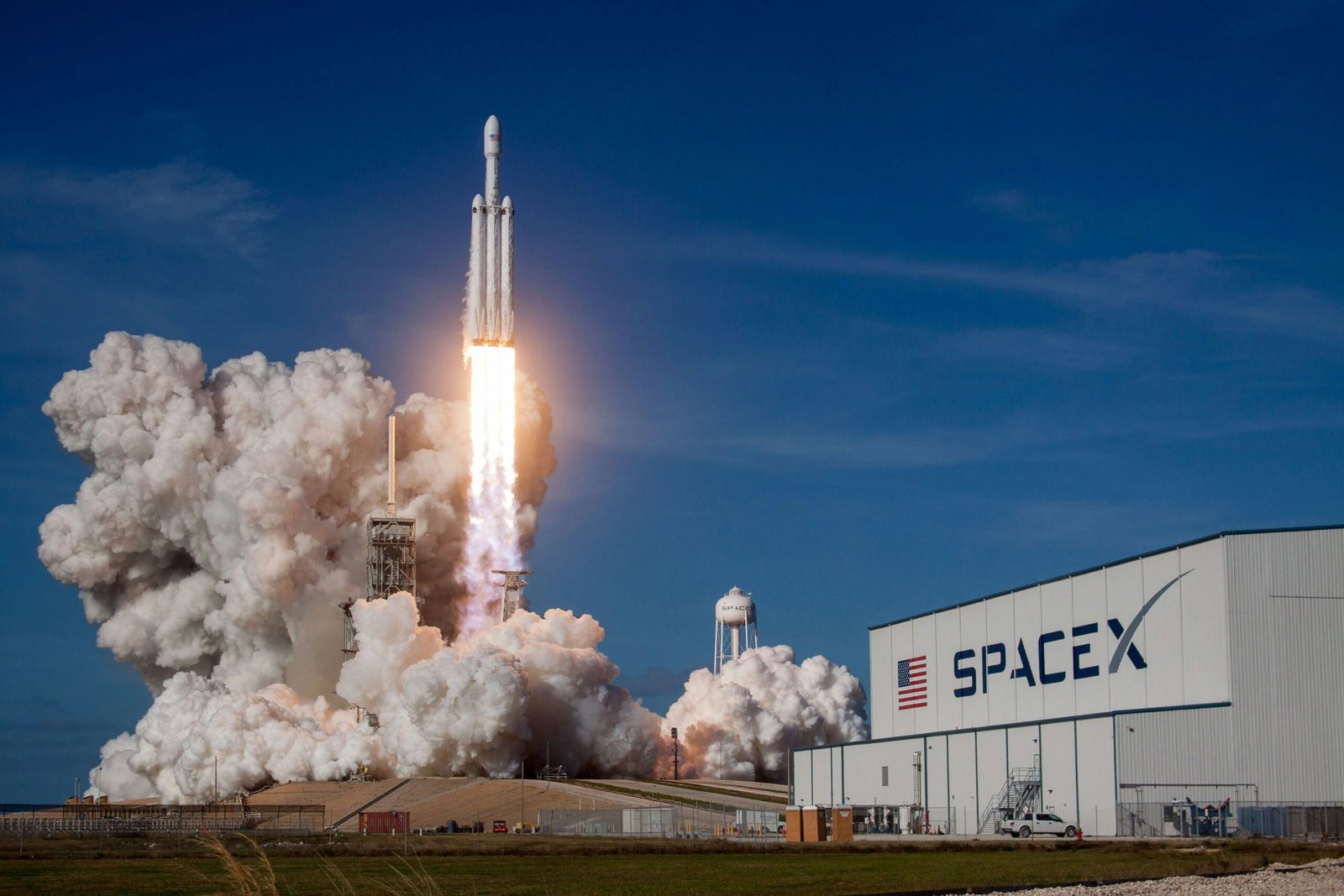

The Hook
The internet is flooded with a single, intoxicating question: Can buying SpaceX stock on day one make you a millionaire? With the landmark initial public offering (IPO) filing officially public, Wall Street is targeting a June 12, 2026, Nasdaq debut under the ticker symbol SPCX. The media hype is at an absolute fever pitch, with rumors that Elon Musk is allocating an unprecedented 30% of the public stock pool directly to retail investors on apps like Robinhood.
To the average person, this looks like a golden ticket—a rare chance to get in early on a generational empire valued at $2 trillion.
But if you look at the cold historical data of mega-cap tech listings, the reality is sobering. The SpaceX IPO will likely create a massive wave of new billionaires—but they won’t be everyday retail buyers. If you buy the hype on day one without understanding how the market mechanics are rigged, you aren’t getting rich; you are simply providing liquidity for the insiders who are.
What “Providing Liquidity” Actually Means
Before looking at the math, you need to understand the basic rule of how people actually make money when a company goes public.
What is Liquidity? In the stock market, liquidity refers to how easily an asset can be converted into cash without affecting its price. When a massive private company goes public, early investors (like venture capitalists, employees, and founders) who have been holding private shares for years finally get the chance to sell their stock for real, spendable cash.
But for an insider to sell a share and take their profit, someone else has to buy it. If millions of everyday retail investors rush to buy SPCX on opening day because they think it will make them rich, they are creating massive demand. This allows the early insiders to exit their positions at peak prices. In financial terms, the public is “providing the liquidity” that lets the elites cash out.
The Reality of Early Investors vs. Retail Buyers
The people who will become jaw-droppingly wealthy from the SpaceX IPO are the ones who bought in when the company was still private.
Consider Alphabet (Google’s parent company). In 2015, Alphabet invested a massive sum into SpaceX when the company was worth a fraction of its current size. According to the S-1 filing, that early stake has appreciated by a staggering 64 times its original value. When SPCX lists, Alphabet’s position will be worth an estimated $64 billion. Similarly, venture capital firms like DFJ Growth, which invested early at a tiny $530 million valuation, are about to see the largest cash payouts in tech history.
These entities are already rich because they took the massive risk of investing in unproven rocket technology a decade ago. Buying the stock now at a $2 trillion valuation means you are paying full price for a mature, hyper-hyped asset. For your money to double from here, SpaceX has to become worth $4 trillion—a feat that takes years, if it happens at all.
The Day-One Hype Trap: The Squeeze Explained
Why is Elon Musk giving 30% of the IPO shares to retail buyers when most companies only offer 5%? It sounds generous, but it creates a psychological phenomenon known as a buying squeeze.
Because SpaceX is only selling a tiny percentage of its total corporate value to the public, the supply of available shares on the Nasdaq will be incredibly low. When you mix low supply with a massive flood of millions of retail traders placing buy orders simultaneously, the stock price is artificially engineered to shoot up rapidly on day one.
Worse yet, under modern stock exchange rules, large index funds (the mutual funds that manage retirement accounts and 404ks) are legally required to buy billions of dollars worth of SPCX almost immediately to balance their portfolios to match the massive market cap.
This forced buying frenzy creates an illusion of massive success on day one. But as history shows—like the recent Cerebras IPO which skyrocketed on opening day only to trigger instant market volatility and a sharp 10% drop the next morning—once the initial artificial demand fades and the forced buying stops, the price frequently crashes back down to earth.
Understanding the Share Lockup Period
If you want to know when the true test of the stock will happen, you have to look for a specific legal term in the S-1 prospectus: the lockup expiration.
What is a Lockup Expiration? When a company goes public, the SEC forces insiders, founders, and large venture capital funds to sign a legal agreement stating they cannot sell any of their old shares immediately. This “lockup period” usually lasts between 90 to 180 days. It is designed to prevent the stock price from collapsing on day one from an overload of insiders selling at the same time.
The S-1 suggests SpaceX’s lockup will expire around December 2026. Between June and December, the stock price might stay volatile or artificially high because insiders are legally trapped. But the moment December hits and the lockup expires, a massive wave of millions of legacy shares will suddenly be allowed to flood the open market. If early investors decide to take their multi-billion dollar profits all at once, the sheer volume of selling can cause the stock price to plunge, leaving late-stage retail buyers holding the bag.
The Strategic Takeaway for Retail Traders
Can you make money from the SpaceX IPO? Yes, but only if you drop the emotional “vibe” and treat it like a cold, calculated mathematical equation.
Chasing the opening bell on June 12 to buy a company trading at over 100 times its trailing sales—while operating at a deep $4.94 billion annual net loss due to heavy AI infrastructure spending—is not an investment strategy; it is gambling.
The smartest move for everyday investors is patience. Let the initial opening day hype burn out, watch how the company handles its first public quarterly earnings call in September, and wait to see how the market reacts when the insider lockup expires in December. If you want to build real wealth from the space economy, you have to act like a calculating system architect, not a retail speculator blinded by the smoke of a rocket launch.