

When most people hear the word “crypto,” they picture a wild rollercoaster. They think of Bitcoin prices crashing overnight or random internet coins making people rich on a Tuesday and broke by Thursday.
But there is an entirely different side to digital money that has nothing to do with gambling. It’s quiet, it’s boring, and it is currently changing how the world moves money.
So, what are stablecoins?
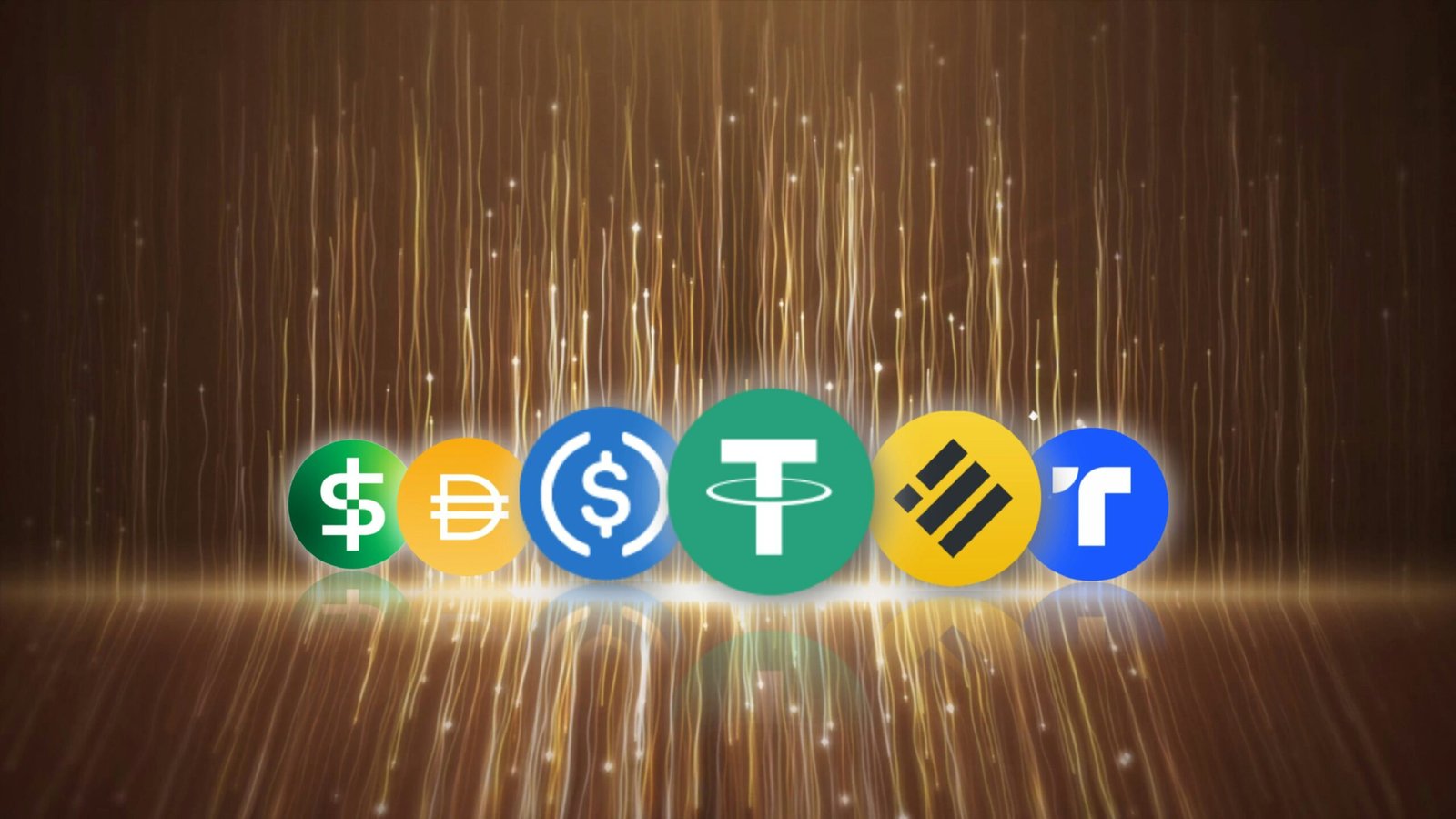
A stablecoin is simply a digital version of a regular currency, like the U.S. Dollar, that lives on the internet.
If you have 100 digital dollars (stablecoins) on your phone today, they will be worth exactly 100 regular dollars tomorrow, next week, and next year. Their value does not go up and down. They are completely stable.
The “Coat Check” Analogy: How Stablecoins Keep Their Value
To understand how stablecoins work without getting confused by technical terms, think of a coat check at a restaurant.
When you hand the attendant your physical jacket, they give you a paper ticket with a number on it. While you are eating, you don’t need to carry the heavy jacket around. That paper ticket represents your jacket. And whenever you are ready to leave, you can hand the ticket back and get your exact jacket in return.
Stablecoins work the exact same way with money:
- A company takes real, physical U.S. Dollars and locks them safely in a bank vault (the coat check).
- For every real dollar they lock away, they create one digital dollar (the ticket) and put it on the internet.
- Because there is a real dollar locked in a vault for every digital dollar on a phone, the digital dollar is always worth exactly $1.00.
Why Use Stablecoins Instead of Banking Apps?
If stablecoins are just digital dollars, you might be wondering why you wouldn’t just use a normal banking app.
For many people living in the U.S. or Europe, normal banking apps work fine for buying groceries. But the traditional banking system is old, slow, and expensive when it comes to moving money globally.
Here is why millions of everyday people and freelancers are switching to stablecoins:
- No Weekend Closures: Traditional banks close on weekends and holidays. If you send money on a Friday evening, it might not arrive until Tuesday. Stablecoin networks never sleep. You can send money at 2:00 AM on a Sunday, and it arrives in three seconds.
- Bypassing High Wire Fees: If a business in Canada wants to hire a freelance graphic designer in Nigeria, sending a traditional international wire transfer can cost anywhere from $30 to $50 in hidden fees, plus terrible exchange rates. Sending that same payment in stablecoins costs less than a penny.
- Access to Dollars: In many countries dealing with severe inflation, local money loses its value quickly. Getting a traditional U.S. bank account is often impossible for non-citizens. Stablecoins allow anyone with a smartphone to protect their savings by holding digital U.S. Dollars.
The Real Numbers: How Big Are Stablecoins in 2026?
Stablecoins are no longer an experiment. They have become the plumbing for the modern internet economy.
According to Visa’s Onchain Analytics, stablecoin networks processed over $33 trillion in transaction volume in 2025. To put that massive number into perspective, stablecoins now process more money annually than Visa and Mastercard combined.
As of early 2026, the total value of all stablecoins in the world sits at roughly $300 billion.
USDT vs. USDC: Which Should You Use?
While there are dozens of stablecoins out there, two of them control about 85% of the entire market. If you are just getting started, these are the only two you need to know:
1. Tether (USDT)
- Size: The largest stablecoin in the world, with over $180 billion in circulation.
- Best For: Global access. USDT is the most widely accepted digital dollar in emerging markets across Africa, Latin America, and Asia.
2. USD Coin (USDC)
- Size: The second largest, with around $75 billion in circulation.
- Best For: Transparency. USDC is issued by a U.S. company called Circle. They are highly regulated and publish monthly audits proving that every digital dollar they issue is fully backed by real cash and U.S. Government bonds.
Conclusion: The Future of Everyday Money
You don’t need to understand complex blockchain technology to use stablecoins, just like you don’t need to understand how the internet works to send an email.
Stablecoins are simply a faster, cheaper, and more accessible way to move money around the globe. Whether you are a digital worker receiving international payments, or someone looking to protect their savings from inflation, the digital dollar is here to stay.