
By AISEN · Published: November 1st, 2026 · Last updated: November 1st, 2026
Affiliate disclosure: This post contains affiliate links. If you buy through them, I may earn a commission at no extra cost to you. It doesn’t change what I recommend. I haven’t tested these headphones myself, so the picks are based on independent lab testing by other reviewers, linked in the text.
As an Amazon Associate I earn from qualifying purchases.
Quick answer
How noise cancellation works: headphones use tiny microphones to listen to the sound around you, a chip works out an “anti-noise” sound that is the mirror image of it, and the speakers play that anti-noise so the two sounds cancel each other out before they reach your ear. This is called active noise cancellation (ANC). It works best on steady, low-pitched sounds like engine hum, and worse on sudden or high-pitched sounds like a door slam or a siren.
Table of Contents
Key takeaways
- Active noise cancellation uses microphones, a processing chip and the headphone speakers to create a sound wave that cancels unwanted noise.
- It works through destructive interference: a wave and its exact opposite add up to almost nothing.
- There are three designs: feedforward (microphones outside), feedback (microphones inside) and hybrid (both). Hybrid generally covers the widest range of noise.
- ANC is strongest on steady, low-frequency noise. A good physical seal handles higher-pitched sounds, so the best results come from combining both.
- Reviewers’ top picks for 2026 include the Sony WH-1000XM6 and Bose QuietComfort Ultra (2nd Gen) over-ears, with budget options that are often on sale under $100.
How noise cancellation works, step by step
Sound is a wave of pressure that travels through the air. A wave has peaks and troughs. If you create a second wave with the same size but flipped, so that every peak meets a trough, the two waves add up to almost nothing. Engineers call this destructive interference. Think of two ripples on a pond that meet and flatten each other.
Noise cancelling headphones do this electronically, in four steps:
- Microphones listen. Small microphones pick up the noise around you, such as an airplane engine or a train.
- A chip calculates the opposite. A digital signal processor (DSP) flips the phase of that sound to create anti-noise.
- The speaker plays it. The headphone driver plays the anti-noise alongside your music.
- The waves meet at your ear. The noise and the anti-noise overlap and cancel out, so you hear much less of the original sound.
Timing is the hard part. As SoundGuys explains, the anti-noise has to line up almost perfectly in phase with the noise when it reaches your ear. If it’s slightly off, you don’t get silence, you get a distorted version of the noise. That’s why the processing has to happen in a tiny fraction of a second.
The three types of ANC: feedforward, feedback and hybrid
Not all noise cancelling headphones are built the same. The difference is where the microphones sit.
| Type | Microphone location | Strength | Weakness |
|---|---|---|---|
| Feedforward | Outside the ear cup | Hears noise early, so the chip has more time to react | The anti-noise may not match exactly what reaches your ear |
| Feedback | Inside the ear cup | Checks the result and corrects it, like a self-correcting loop | Can become unstable and is weaker at high frequencies |
| Hybrid | Both | Widest coverage and fewer feedback problems | More complex and more expensive |
SoundGuys’ breakdown of the three types notes that hybrid ANC offers the best noise reduction across frequencies with the lowest chance of feedback problems, and that its drawback is cost. Most current premium headphones and earbuds use hybrid designs. Many also have adaptive modes that adjust the cancellation to your surroundings, and a transparency (or ambient) mode that uses the outside microphones to let sound in when you want it.
Active vs passive noise cancellation
The headphones above describe active noise cancellation, but there’s a second layer: passive noise isolation. It simply means blocking sound physically with ear cup padding, foam or snug ear tips.
The two methods complement each other. Passive isolation is better at higher-pitched sounds such as voices and clatter. ANC is better at low rumbles. That’s why fit matters so much: a poor seal, like a loose ear tip or an ear cup that doesn’t sit flat against your head, lets sound leak in and weakens the cancellation.
What noise cancellation can and can’t block
Noise cancellation isn’t magic. Because of the physics involved, it’s much better at some sounds than others.
It works best on:
- Airplane and train engines
- Air conditioners and fans
- Road and traffic rumble
These sounds are steady, predictable and low-pitched, so the chip can model them easily. Low-frequency sound also has long wavelengths, which makes the timing easier to get right.
It struggles with:
- Sudden noises, like a door slamming
- Irregular high-pitched sounds, like sirens or keyboard clicks
- Constantly changing noise, like a busy café
Other limits to know about:
- Battery: ANC needs power, so turning it on shortens playtime.
- Comfort: some people notice a feeling of pressure with noise cancellation. If that bothers you, try a different model or fit.
- Marketing numbers: decibel claims such as “up to 40 dB” are often measured at specific frequencies under ideal conditions, so compare independent test results instead.
- Safety: noise cancelling headphones aren’t hearing protection for loud industrial or machine environments.
How to get the most out of noise cancelling headphones
A few habits make a real difference:
- Get the seal right. Press over-ear cups flat against your head, and try every ear tip size on earbuds. A leak weakens the cancellation more than most people expect.
- Use over-ear headphones for flights. The steady engine drone is exactly what ANC handles best, and a bigger seal helps with the rest.
- Switch to transparency mode when you need awareness. Use it when walking in traffic, cycling or at a station, so you can hear cars and announcements.
- Replace worn pads and tips. Compressed padding or stretched ear tips let sound in.
- Keep the microphones clean. Dust or earwax over the small microphone holes can reduce performance.
- Update the firmware. Manufacturers sometimes improve noise cancellation through app updates.
A short history of noise cancelling headphones
The idea is older than you might expect. According to a history from the Canadian Audiologist, Paul Lueg was granted a patent in 1934 for cancelling noise with an opposite sound, and Lawrence Fogel created headphones to cancel noise in aircraft and helicopter cockpits in 1950. Amar Bose began working on the problem after a noisy flight in 1978, and a Bose headset protected the pilots of the Voyager aircraft on its nonstop round-the-world flight in 1986. The same history says noise cancelling became practical in 1989.
How to choose noise cancelling headphones
Before you look at specific models, work out what matters most to you:
- Over-ear or earbuds? Over-ear headphones usually seal better and tend to cancel more low-frequency noise. Earbuds are more portable.
- Fit and comfort. If they don’t seal, the ANC won’t perform. Try different ear tips, or check the return policy.
- Your phone. Some features work best within one ecosystem, such as Apple’s AirPods with an iPhone.
- Battery life. Check the figure with ANC on, not the headline number. Some charging cases also charge wirelessly, which our guide to how wireless charging actually works explains.
- Call quality. Look at independent microphone tests if you take a lot of calls.
- Budget. Good noise cancellation is available well below flagship prices.
5 top noise cancelling picks for 2026
These are affiliate links. I haven’t tested these products myself. I chose models that independent reviewers rank at or near the top of their categories, and the reviewers are named in each entry. Prices change often, so check the current price before buying.
1. Sony WH-1000XM6: best all-round over-ear
Sony’s flagship is a consistent top choice. Engadget’s testing ranks it as runner-up behind the Bose below, while SoundGuys’ testing puts it slightly ahead of the Bose, though not by an obviously audible margin. In short, the two are very close in noise cancellation, and reviewers disagree about which is ahead. Choose it if you want strong ANC with plenty of features, and try the fit if you can, since comfort is personal.
Check the Sony WH-1000XM6 price on Amazon (affiliate link)
2. Bose QuietComfort Ultra Headphones (2nd Gen): best for comfort
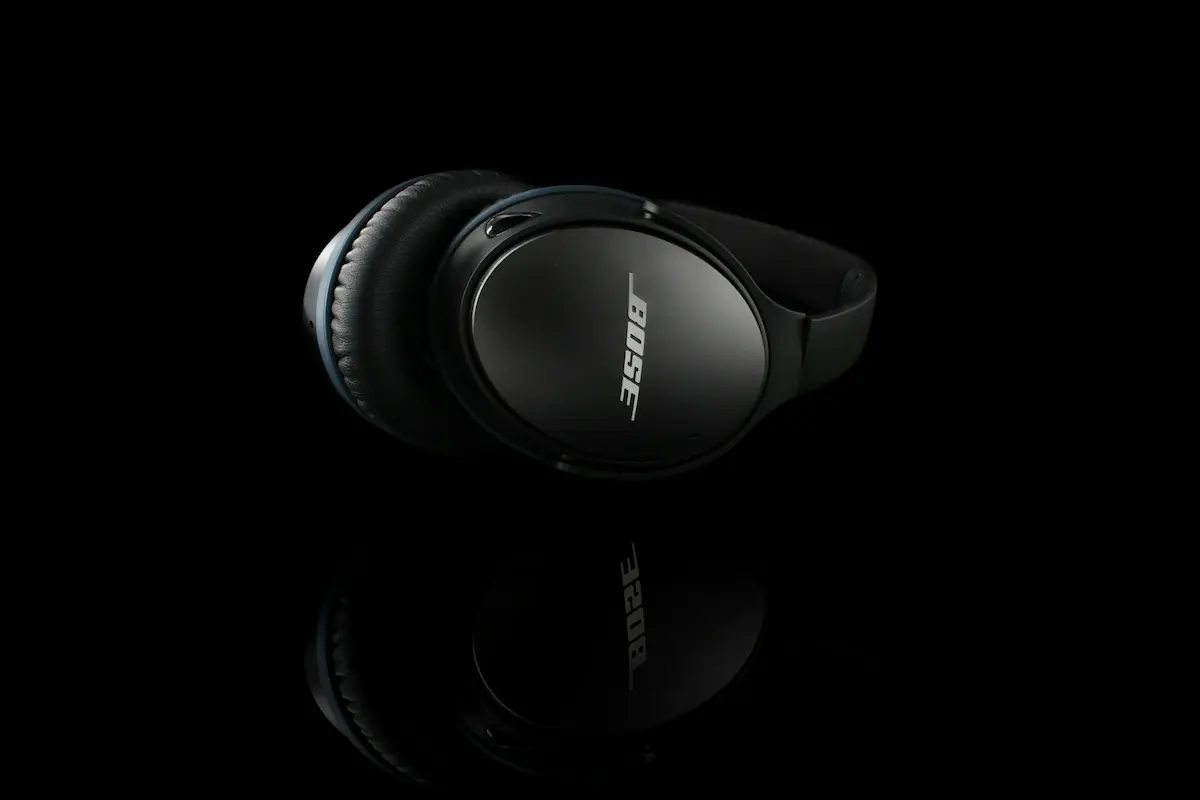
Engadget’s current pick for best noise-cancelling headphones overall, and often recommended by reviewers for comfort. Choose it if you wear headphones for hours or want a very comfortable seal. It sits at the high end of the price range.
Check the Bose QuietComfort Ultra (2nd Gen) price on Amazon (affiliate link)
3. Anker Soundcore Space Q45: best budget pick
RTINGS’ lab testing named it the best budget noise cancelling headphones it has tested, and it is often on sale under $100. If you want something lighter, RTINGS says the Sony WH-CH720N has weaker ANC but a longer continuous battery life. Choose the Q45 if you want the most noise cancellation for the least money.
Check the Anker Soundcore Space Q45 price on Amazon (affiliate link)
4. Sony WF-1000XM6: best earbuds overall
SoundGuys names it its best earbuds overall, and it works well with both Android and iPhone. Sony rates it for up to eight hours with ANC on. Fit can take some experimentation, so try the included ear tips.
Check the Sony WF-1000XM6 price on Amazon (affiliate link)
5. Apple AirPods Pro 3: best for iPhone users
SoundGuys names it the best earbuds for iPhone, and Apple says it removes up to twice as much noise as AirPods Pro 2 (Apple’s own claim). Apple’s spec page lists up to eight hours of listening with ANC on, and up to 24 hours with the charging case. Many of its extra features are limited on Android, so it’s best if you use an iPhone.
Check the Apple AirPods Pro 3 price on Amazon (affiliate link)
Quick comparison
| Model | Type | Best for | Main trade-off |
|---|---|---|---|
| Sony WH-1000XM6 | Over-ear | All-round ANC and features | Premium price |
| Bose QuietComfort Ultra (2nd Gen) | Over-ear | Comfort and quiet | Premium price |
| Anker Soundcore Space Q45 | Over-ear | Budget buyers | Fewer premium touches |
| Sony WF-1000XM6 | Earbuds | Android and iPhone users | Fit takes tuning |
| Apple AirPods Pro 3 | Earbuds | iPhone users | Limited on Android |
Frequently asked questions
Is noise cancellation the same as noise isolation?
No. Noise isolation (passive) blocks sound physically with padding and a tight seal. Active noise cancellation uses microphones and an opposite sound wave. The best headphones use both.
Does noise cancellation work without music playing?
Yes. The noise cancellation runs on its own whenever it’s switched on, so you can use it in silence to reduce background noise.
Can noise cancelling headphones block voices?
Only partly. ANC is best at steady low-pitched noise, while voices are higher-pitched and change constantly. A good seal helps with voices, and some models are better at it than others.
Does noise cancellation drain the battery?
Yes. The microphones and processing chip need power, so battery life is shorter with ANC on than off. Check the ANC-on figure when comparing models.
Are cheap noise cancelling headphones worth it?
Often, yes. RTINGS names a model that is often on sale under $100 as its best budget pick. Expect less cancellation and fewer features than flagship models, but a clear improvement over no ANC.
The bottom line
How noise cancellation works comes down to one idea: listen to the noise, create its opposite, and play it back so the two cancel out. It’s very effective on steady rumbles and less effective on sudden or high-pitched sounds, so a good fit matters as much as the technology. For most people, a Sony or Bose over-ear, or the Sony or Apple earbuds, covers what they need, and a budget pair like the Soundcore Space Q45 is a sensible starting point.
How this guide was researched
I haven’t tested these headphones myself. The explanation of how ANC works is based on audio-testing and engineering sources, and the product picks reflect independent reviews from RTINGS, Engadget and SoundGuys, linked in the text. Features and prices change often, so I’ll update this page and the date at the top when they do. Affiliate links help support this site, as disclosed at the top of the post.
Sources
- SoundGuys: Active noise canceling (ANC) technology types explained
- Canadian Audiologist: Headphones, they have come a long way
- Engadget: The best noise-canceling headphones for 2026
- SoundGuys: Best noise cancelling headphones
- SoundGuys: Best earbuds
- RTINGS: Best budget noise cancelling headphones
- Apple: AirPods Pro 3 technical specifications